



Supabase features: Master real-time apps easily

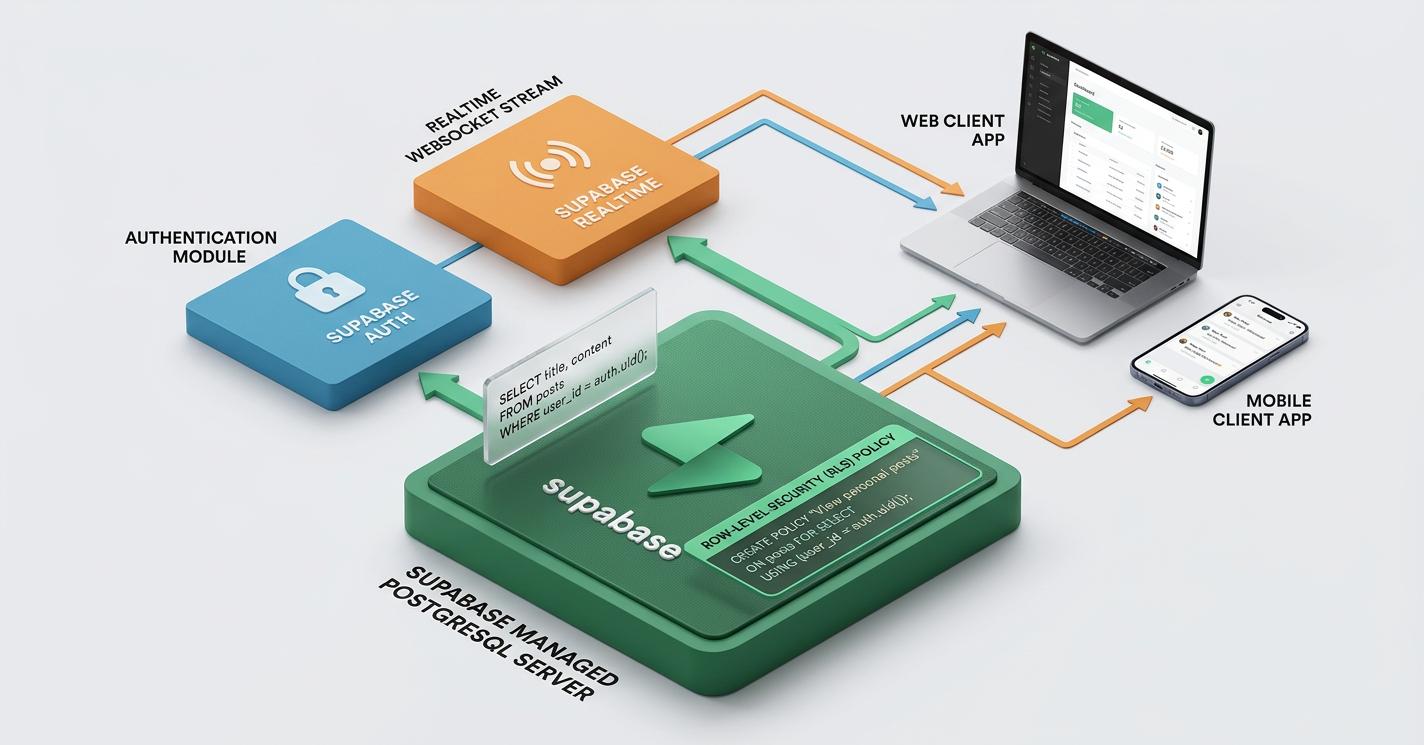
Supabase features unlock a new level of simplicity and power for developers building real-time applications. When every millisecond counts and user engagement depends on instant updates, having a backend that handles real-time data seamlessly is a game changer.
Developers often struggle with stitching together databases, authentication, and live data streams. Supabase removes that complexity by offering an integrated platform that accelerates development without sacrificing control or scalability.
What Is Supabase Features
Core Components of Supabase Features
Database Management with PostgreSQL
At the heart of Supabase is a fully managed PostgreSQL database. PostgreSQL is a battle-tested, open-source relational database known for its reliability, extensibility, and advanced features. Supabase leverages this to provide developers with a familiar yet powerful database environment.
Developers can create tables, define relationships, and write complex queries using SQL. Supabase also supports row-level security (RLS), allowing fine-grained access control directly at the database level. This means you can enforce who can read or write specific data without adding extra backend logic.
The database is accessible via RESTful API endpoints automatically generated by Supabase, making it easy to interact with data from any client. Additionally, Supabase supports GraphQL through community plugins, expanding query flexibility.
Real-world example: The startup Replit uses PostgreSQL extensively for its collaborative coding platform. Supabase’s managed Postgres service offers similar reliability and scalability, making it a solid choice for apps requiring complex data relationships and transactions.
Authentication and User Management
Supabase features include a comprehensive authentication system known as Supabase Auth. It supports multiple authentication methods out of the box, including email/password, OAuth providers like Google, GitHub, Facebook, and magic links.
This flexibility allows developers to implement secure user sign-up and sign-in flows quickly. Supabase Auth integrates tightly with the database, enabling automatic user session management and role-based access control.
Security is a priority: Supabase Auth uses JWT tokens for session management and supports multi-factor authentication (MFA) to enhance protection. Developers can also customize authentication flows and hooks to fit unique business requirements.
For example, a SaaS company building a subscription-based platform can use Supabase Auth to manage user accounts, enforce subscription tiers, and protect premium content without building a custom authentication backend.
Real-Time APIs for Dynamic Data Updates
One of the standout Supabase features is its real-time API capability. Built on top of PostgreSQL’s logical replication, Supabase Realtime listens to database changes and pushes updates instantly to connected clients via WebSockets.
This means any insert, update, or delete operation on the database can trigger real-time events that client applications subscribe to. Developers can build live dashboards, chat applications, collaborative editing tools, and more without polling or complex backend logic.
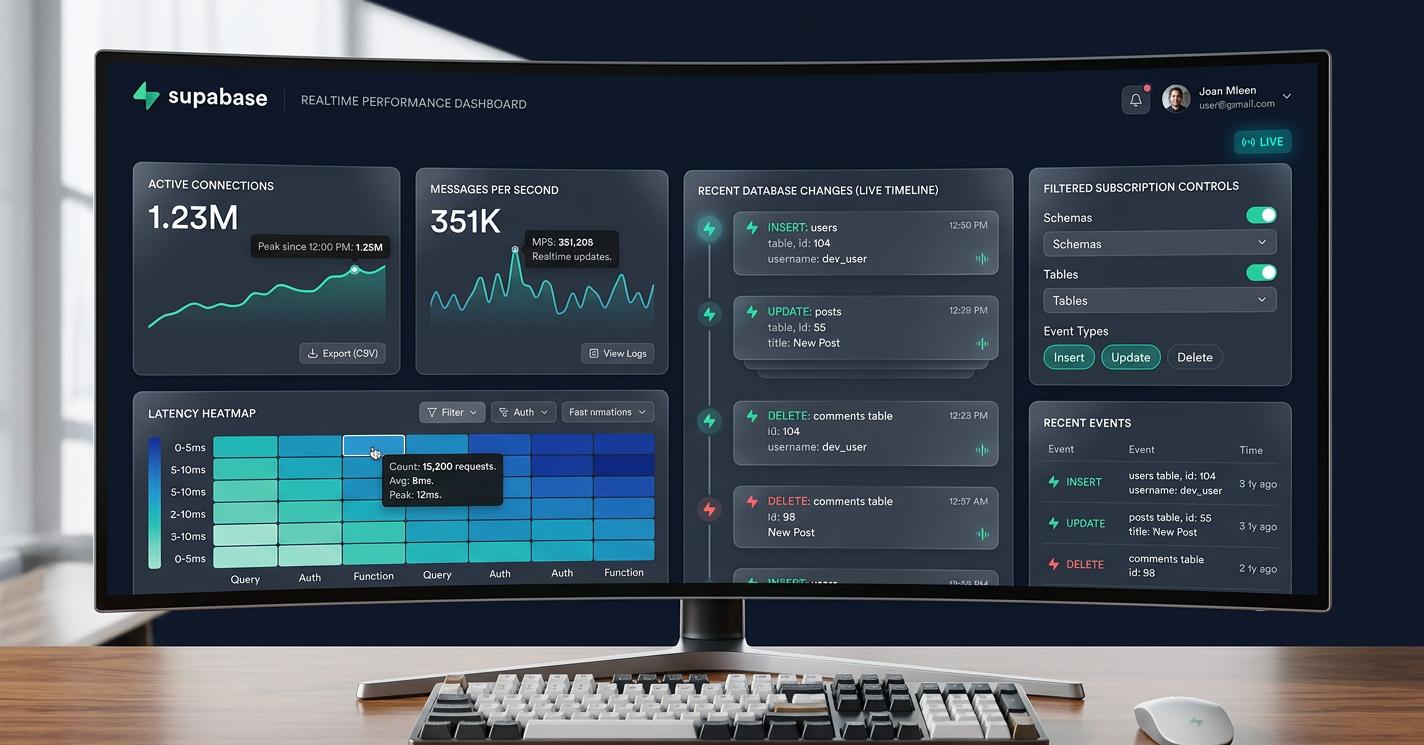
Supabase Realtime supports fine-grained subscriptions, allowing clients to listen to specific tables, rows, or even filtered queries. This reduces unnecessary data transfer and improves app performance.
A practical example is the open-source project Outline, a knowledge base and wiki platform that uses Supabase Realtime to sync document edits live across users, ensuring everyone sees changes instantly.
Step-by-Step: Building a Real-Time App Using Supabase Features
Building a real-time app with Supabase features is straightforward thanks to its developer-friendly tools and clear APIs.
Step 1: Setting Up the Supabase Project
Start by creating a new project on the Supabase dashboard. This process provisions a PostgreSQL database and configures the backend services automatically. You’ll receive API keys and connection strings needed to interact with your backend.
The dashboard also provides a SQL editor, authentication settings, and real-time configuration options, all accessible through a clean web interface.
Step 2: Configuring the Database Schema
Define your database schema using SQL or the dashboard’s table editor. Create tables, set primary keys, and establish relationships. For example, if building a chat app, you might create tables for users, messages, and chat rooms.
Enable row-level security policies to control who can access or modify data. This step is crucial for protecting sensitive information and ensuring only authorized users can perform certain actions.
Step 3: Implementing Authentication
Configure Supabase Auth by enabling desired authentication providers. Set up email templates, password policies, and redirect URLs for OAuth flows.
Integrate the Supabase client library into your frontend application to handle user sign-up, sign-in, and session management. The client SDK simplifies token handling and automatically refreshes sessions.
Step 4: Enabling Real-Time Data Sync
Subscribe to real-time updates by using the Supabase Realtime client. For instance, in a JavaScript app, you can listen to changes on the messages table and update the UI instantly when new messages arrive.
This eliminates the need for manual refreshes or polling, creating a smooth user experience.
Step 5: Testing and Deploying the Application
Test your app thoroughly to ensure authentication flows work correctly and real-time updates propagate as expected. Use Supabase’s logging and monitoring tools to debug issues.
Once ready, deploy your frontend using your preferred hosting service. Supabase’s backend services scale automatically, so you can focus on frontend performance and user experience.
Benefits of Using Supabase Features for Developers
Supabase features offer tangible advantages that make it a compelling choice for modern app development.
Accelerated Development Cycles
By providing a ready-to-use backend with database, authentication, and real-time APIs, Supabase eliminates the need to build these components from scratch. Developers can prototype and launch apps faster, reducing time-to-market.
The auto-generated APIs and client libraries mean less boilerplate code and fewer integration headaches. This speed is especially valuable for startups and small teams aiming to validate ideas quickly.
Simplified Backend Infrastructure
Managing backend infrastructure can be complex and costly. Supabase abstracts away server management, database scaling, and security patching, allowing developers to focus on application logic.
Its open-source foundation also means no vendor lock-in. You can self-host or migrate easily if needed, providing flexibility that proprietary platforms often lack.
Enhanced User Experience with Real-Time Data
Real-time capabilities transform user experiences by enabling instant feedback and collaboration. Whether it’s live chat, notifications, or synchronized document editing, Supabase Realtime ensures data flows smoothly between users and servers.
This responsiveness increases engagement and satisfaction, critical factors for competitive apps.
Common Challenges When Using Real-Time APIs and How to Overcome Them
While real-time APIs offer great benefits, they come with challenges that developers must address.
Managing Data Consistency
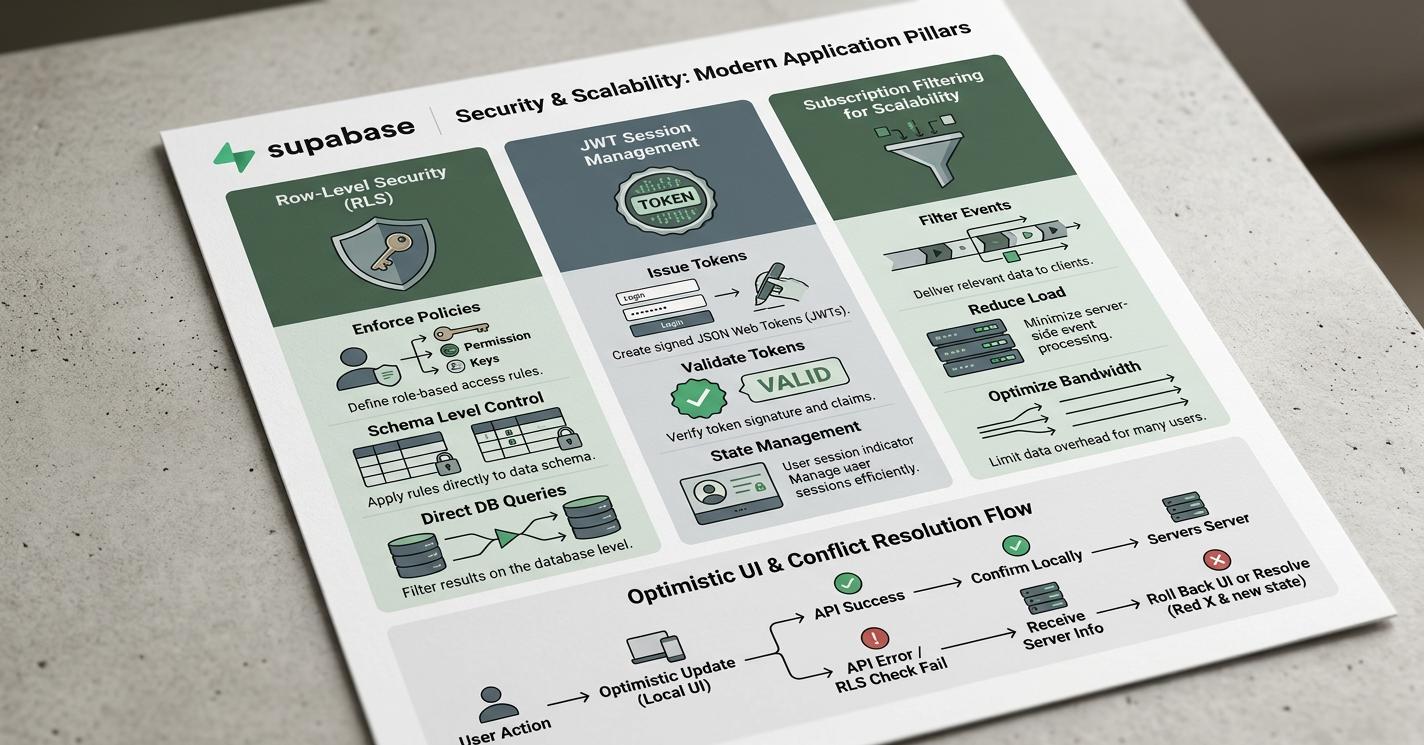
Real-time updates can lead to race conditions or conflicting data changes. Implementing optimistic UI updates and conflict resolution strategies is essential.
Supabase’s use of PostgreSQL transactions and row-level security helps maintain data integrity. Developers should also design their client logic to handle out-of-order or duplicate events gracefully.
Handling Authentication Security
Real-time apps often require persistent connections, which can expose security risks if not managed properly. Using secure WebSocket connections (wss://), enforcing token expiration, and validating user permissions on the server side are critical.
Supabase Auth’s integration with RLS policies ensures that only authorized users receive relevant real-time updates, reducing attack surfaces.
Optimizing Performance for Scalability
As user numbers grow, real-time data streams can strain bandwidth and server resources. Supabase allows filtering subscriptions to limit data sent to clients, reducing unnecessary load.
Caching strategies and efficient query design also help maintain performance. Monitoring tools can identify bottlenecks early, enabling proactive scaling.
Case Study: Real-Time Collaboration App Built with Supabase Features
One notable example is the company Outline, which offers an open-source knowledge base platform used by teams worldwide. Outline leverages Supabase features to provide real-time collaborative editing, user authentication, and data storage.

By using Supabase Realtime, Outline ensures that multiple users can edit documents simultaneously with changes reflected instantly. Supabase Auth manages secure user access, while the PostgreSQL database stores structured content efficiently.
This integration allowed Outline to focus on user experience and feature development rather than backend complexity. The result is a scalable, responsive app trusted by organizations like Buffer and Figma.
Frequently Asked Questions
How secure is authentication with Supabase?
Supabase Auth uses industry-standard security practices, including JWT tokens, OAuth 2.0, and multi-factor authentication. It integrates with PostgreSQL’s row-level security to enforce access control at the database level, providing robust protection against unauthorized access.
Can Supabase handle large-scale real-time data?
Yes, Supabase is built on PostgreSQL, which scales well vertically and horizontally. Its real-time API uses efficient logical replication and WebSockets to handle thousands of concurrent connections. Proper subscription filtering and database optimization are key to maintaining performance at scale.
What programming languages are compatible with Supabase?
Supabase offers official client libraries for JavaScript, TypeScript, Python, and Go. Because it exposes RESTful and GraphQL APIs, it can be used with virtually any language capable of making HTTP requests, including mobile platforms like Swift and Kotlin.
How does Supabase compare to Firebase for real-time apps?
Supabase is an open-source alternative to Firebase, offering a Postgres database instead of Firebase’s NoSQL Firestore. This provides more powerful querying and relational data capabilities. Supabase also supports SQL natively and offers greater flexibility with authentication and real-time subscriptions. Firebase has a more mature ecosystem but is proprietary, while Supabase emphasizes openness and developer control.
Conclusion
Supabase features provide a powerful toolkit for developers aiming to build modern, real-time applications quickly and efficiently. By integrating database management, authentication, and real-time APIs, Supabase enables seamless project acceleration while maintaining scalability and security. Embracing Supabase can transform how developers approach backend development for dynamic apps, making it easier to deliver engaging, responsive user experiences without the usual complexity. Whether you’re building a chat app, collaborative tool, or live dashboard, Supabase offers the foundation to bring your ideas to life with confidence.