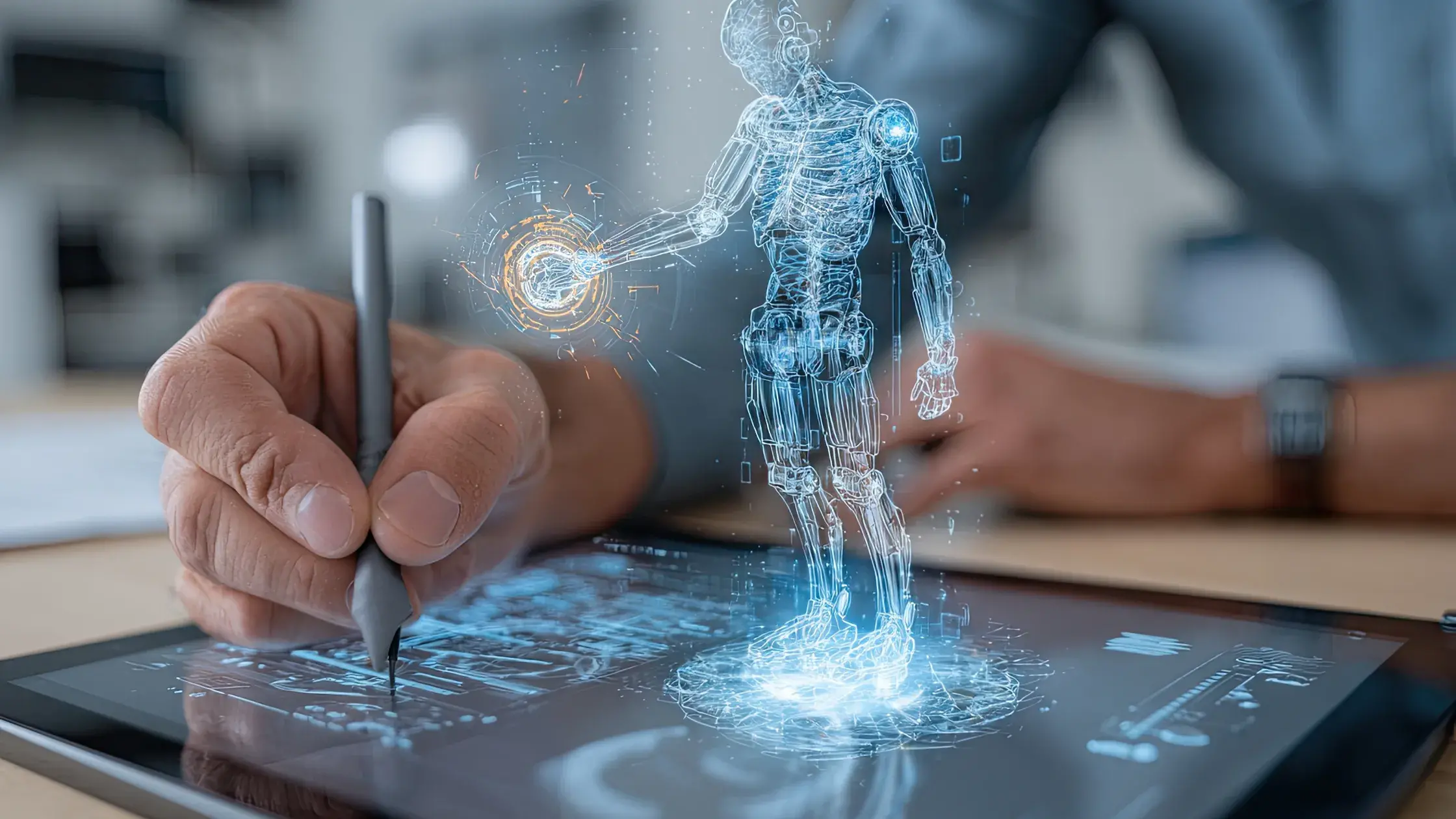
In 2026, AI-powered marketing is essential for how brands grow and connect with their audiences. Artificial intelligence helps shape brand stories, predict customer behavior, and automate decisions that used to require a lot of time from teams.
Businesses that once relied on intuition or manual research now have access to real-time insights and predictive data. This means marketing is no longer about guesswork — it’s about precision, personalization, and purpose.
With tools like ChatGPT, Midjourney, and predictive analytics platforms, marketers can now design campaigns that feel tailor-made for every audience segment. And yet, the heart of this transformation lies not in automation, but in creativity.
At GenBe, we believe AI and creativity work best together. Data reveals opportunities, but it’s human imagination that brings emotion and trust into the story. That’s why GenBe helps brands use AI to sell, connect, inspire, and be memorable.
The Role of AI in Modern Marketing
AI-powered marketing is the engine behind smarter, faster, and more meaningful brand communication. It brings together data analysis, content generation, and automation to make marketing more responsive and impactful.
Some of the most powerful roles AI plays today include:
- Audience Understanding: AI decodes customer data to identify what people want — and when they want it.
- Personalization: It helps deliver customized experiences for each customer, from ad recommendations to website content.
- Predictive Analytics: AI tools forecast trends, buying behavior, and customer sentiment before they happen.
- Automation: It takes over repetitive processes like email marketing, A/B testing, and social scheduling, freeing marketers to focus on creativity and strategy.
Using AI helps brands connect better with less effort. This also allows them to stand out in a busy and fast-moving digital world.
Why Brand Awareness Still Matters in 2026
Even in the era of data and automation, brand awareness remains a key pillar of growth. Awareness is what makes people think of your brand first when they have a problem to solve.
In 2026, attention spans are shorter, competition is more brutal, and audiences are more selective. It’s no longer enough for a brand to just “be online” — it must be memorable.
AI plays a huge role here by helping brands:
- Stay consistent across channels.
- Reach the right people at the right time.
- Personalize communication that feels human, not automated.
Through AI, businesses can tell stories that resonate emotionally while using data to ensure they’re always relevant.
Key Trends and Impacts in 2026
The marketing industry in 2026 is being reshaped by artificial intelligence. Here are the top trends driving this transformation, and how they’re impacting brand awareness worldwide:
1. Talking Instead of Typing
Voice assistants and chatbots have become everyday tools for search. Consumers now ask for information rather than type. This conversational approach means brands must optimize for natural, spoken language rather than short keywords.
Impact: Brands that master conversational marketing appear more relatable and are easier for audiences to discover.
2. Smarter Audience Targeting
AI now automates audience segmentation. Instead of broad demographics, marketers can target micro-segments — groups defined by behaviors, emotions, and purchasing intent.
Impact: Ads and content reach people who genuinely care, reducing wasted ad spend and improving engagement rates.
3. Faster, Easier Content Creation
AI helps marketers generate and repurpose content quickly. A blog can be turned into a video script, infographic, or carousel post instantly.
Impact: This helps brands stay active across channels while keeping their voice consistent.
4. Being Real Matters More
As AI-generated content floods social media, authenticity has become the most valuable brand asset.
Impact: Businesses that clearly combine AI efficiency with genuine human stories stand out as trustworthy and ethical.
5. Ads That Learn and Improve
Programmatic advertising powered by AI analyzes data in real time. If an ad underperforms, AI automatically tests new headlines, visuals, or placements.
Impact: Campaigns are constantly optimized, ensuring maximum ROI and long-term visibility.
6. Personalized Ads for Everyone
AI-driven personalization ensures that two people seeing the same campaign receive different versions tailored to their preferences.
Impact: Personalization drives emotional connection, a cornerstone of brand recall and loyalty.
7. Understanding the Customer Journey
AI visualizes the customer journey from awareness to advocacy. It helps identify what motivates people to act, and what causes them to leave.
Impact: Brands can now build smoother, brighter, and more enjoyable experiences.
8. Smarter Design with AI
Design tools powered by AI, like Adobe Firefly or Canva Magic Studio, create instant brand visuals.
Impact: Brands maintain consistent quality and style, even across large-scale campaigns.
9. Protecting Brand Reputation
AI monitors social media to track conversations and spot changes in how people feel. It alerts marketers when negative feedback starts to trend. Early detection helps brands respond quickly and protect their reputation before a crisis grows.
10. The Big Picture
AI is transforming marketing into an ecosystem of constant learning. Every ad, click, and comment feeds insights that help brands understand audiences better and communicate more effectively.
How AI-Powered Marketing Builds Stronger Brand Awareness
AI doesn’t just make marketing faster; it makes brands stronger. Here’s how it’s redefining brand awareness:
1. Personalized Brand Experiences
AI tools study data like browsing history, buying habits, and engagement trends to deliver unique experiences. A customer who loves eco-friendly products, for example, might see personalized ads or recommendations aligned with sustainability values.
This sense of “they understand me” builds lasting emotional ties with the brand.
2. Consistent Messaging Across Channels
AI ensures your tone, visuals, and story remain uniform across every touchpoint, whether it’s a social ad, email, or chatbot.
Consistency builds trust, and trust leads to recall.
3. Predictive Marketing Insights
AI uses data to predict what customers want before they act.
For instance, a brand might know when a customer is likely to repurchase or need a complementary product.
This level of foresight helps marketers stay proactive instead of reactive.
4. Smarter Engagement Through Automation
AI chatbots and automated messaging platforms can engage customers 24/7, answering questions and offering help instantly.
This constant availability keeps audiences connected and reinforces brand dependability.
5. Measuring Awareness More Accurately
Traditional metrics like impressions and reach only tell part of the story. AI now measures awareness using engagement quality, sentiment, and long-term interaction patterns.
This gives marketers a clearer view of how their brand is truly perceived.
6. Emotional Intelligence and Empathy
Modern AI can detect tone, emotion, and intent in customer conversations.
When used correctly, this helps brands respond with empathy, turning neutral interactions into positive emotional moments that strengthen brand image.
AI and Emotional Intelligence: The Human Touch in Technology
In 2026, technology has finally learned to “feel.” Emotional intelligence (EI) within AI systems allows marketers to connect with audiences on a deeper level.
AI can now recognize when customers sound frustrated, excited, or uncertain, and adapt responses accordingly. Imagine a chatbot that can sense disappointment in tone and offer a personalized discount or empathetic reply. That’s AI with emotion, and it’s redefining customer experience.
Brands that embrace emotional AI are building not just awareness but affection.
When a brand listens, understands, and responds naturally, customers feel valued, and that emotion translates directly into loyalty.
The GenBe Approach to AI Marketing
At GenBe, we help businesses harness the full power of AI marketing while keeping creativity and ethics at the core.
Our approach focuses on:
- Data Intelligence: Turning analytics into strategic insights for brand storytelling.
- Creative Automation: Using AI to enhance visual design, copywriting, and personalization.
- Ethical Innovation: Maintaining transparency and building genuine customer trust.
We don’t just automate marketing, we humanize it. With AI as the engine and creativity as the driver, we help brands stay visible, consistent, and loved.
Future Outlook: What’s Next for AI and Branding
The future of marketing will be even more immersive and predictive. Here’s what’s coming next:
1. Voice-First Marketing
Voice interactions will dominate digital engagement. Brands will optimize their presence for smart speakers, cars, and conversational assistants.
2. Predictive Storytelling
AI will help marketers tell stories that evolve with each customer’s journey, adapting content in real time to reflect interests, moods, and intent.
3. Emotion-Aware Branding
AI will interpret emotional cues from video calls, social comments, and tone of voice, allowing real-time adjustment in communication styles.
4. Sustainable AI Marketing
AI will help companies reduce digital waste, optimize energy usage in ad campaigns, and promote ethical marketing decisions.
5. The Return of Human Creativity
As AI takes over data-heavy work, marketers will focus on imagination, innovation, and storytelling, the timeless skills that no algorithm can replicate.
Conclusion
AI-powered marketing is more than just technology; it’s a transformation in how brands communicate, connect, and grow. It gives marketers the ability to deliver precision with personality and automation with authenticity.
In 2026, brand awareness is built on intelligence, empathy, and consistency. The companies leading this change are those using AI not to replace human creativity, but to enhance it.
At GenBe, we help businesses do exactly that, using AI to build visibility, strengthen trust, and create meaningful brand experiences that last.
Read how GenBe builds visibility and trust through AI marketing.