The modern marketing landscape is built on one principle — precision. Every impression, every click, and every engagement must connect to a relevant audience in real time. As digital channels become increasingly crowded, marketers are shifting focus from broad exposure to targeted impact. This is where Geofencing Advertising redefines the rules.
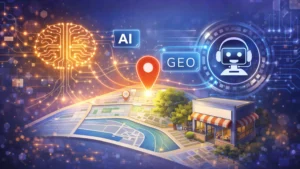
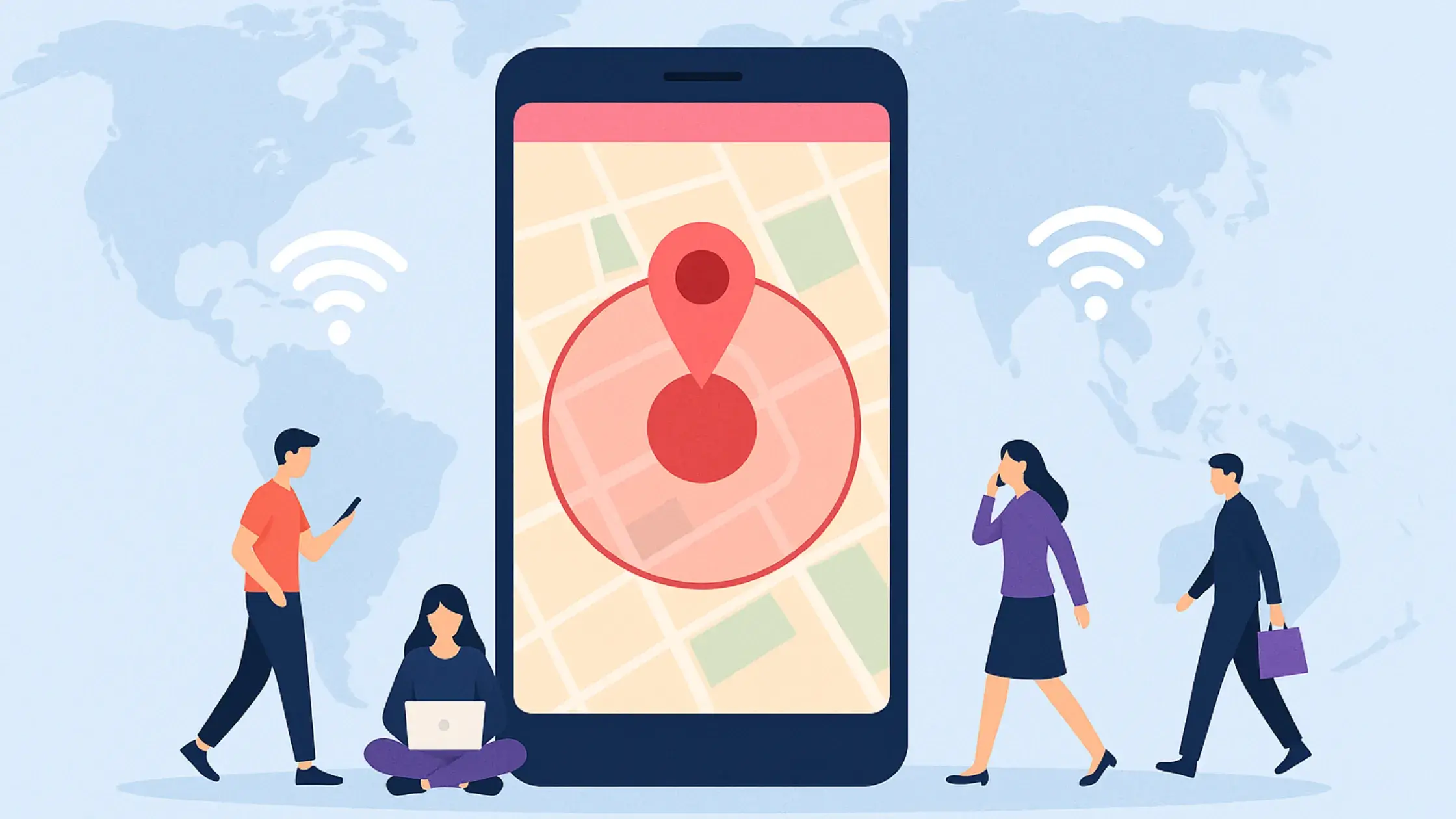
Geofencing is a location-based technology that uses GPS, Wi-Fi, or cellular data to draw virtual boundaries, “geofences”, around physical areas such as stores, neighborhoods, or event venues. When potential customers enter these zones, they receive tailored ads or push notifications. It’s marketing that reacts to presence, not just intent.
At Genbe, geofencing represents the next frontier of precision marketing, a strategy that connects data, behavior, and geography to turn local campaigns into scalable, data-driven growth systems.
Marketing That Knows Where to Show Up
Every successful campaign begins with visibility in the right place. Traditional online ads are often targeted based on demographics or keywords, but they miss the “where” of the real-world context behind customer intent.
Location-based marketing bridges that gap. It allows brands to reach consumers precisely when they’re nearby or actively engaging with relevant locations. Whether it’s a quick-service restaurant targeting office-goers at lunchtime or a car dealership promoting offers to visitors of competitor lots, proximity marketing ensures messages appear at the moment of decision.
The brilliance of geofencing lies in precision targeting. Instead of showing generic ads, it creates personalized, contextually relevant campaigns that respond to physical movement. This real-time connection transforms advertising from passive exposure into actionable engagement.
By combining mobility data with behavioral insights, marketers achieve what was once impossible, delivering the right message, in the right place, at the right time.
What Is Geofencing Advertising?
Geofencing Advertising is a digital marketing technique that uses virtual perimeters around specific geographic zones to trigger location-targeted ads. When users carrying GPS-enabled mobile devices enter or exit these zones, they can receive ads across social media platforms, mobile apps, or websites.
The process begins by setting up a geofence, like a one-mile area around a shopping mall. When the geofence is active, the system finds mobile devices that enter the area and shows them ads that fit the campaign’s goals. These ads can include store promotions, event reminders, or messages aimed at competitors.
Mobile geofencing campaigns have become a powerful extension of digital advertising by combining real-world behavior with online visibility. Instead of relying solely on browsing history, geofencing recognizes physical location as a signal of intent.
For example:
- A coffee brand can target commuters within 500 meters of its outlets during morning rush hours.
- A fitness app can deliver ads to users near parks or gyms.
- A retail brand can retarget customers who visited competitors’ stores within a set time frame.
The advantage lies in relevance — audiences receive promotions that align with their immediate environment and needs.
At Genbe, we build geofencing advertising systems that integrate with broader digital strategies — ensuring each campaign uses precise location targeting ads to drive measurable results.
Why Geofencing Matters for Local Campaigns
Local businesses thrive on connection — not just awareness, but meaningful engagement that converts foot traffic into loyal customers. Geofencing Advertising provides exactly that by enabling hyperlocal advertising with unmatched relevance.
Traditional digital ads may reach a large audience but often miss intent or proximity. Geofencing flips this model by focusing on who’s nearby and ready to engage.
Here’s why it matters:
- Proximity Equals Intent:
- People physically near a business location are far more likely to convert than general online audiences. Geofencing captures this proximity-based opportunity.
- Real-Time Ad Targeting:
- Timing matters. When potential customers enter a defined area — say, near a store or event — geofencing instantly delivers offers tailored to that location.
- Higher Ad Relevance:
- Geofencing connects marketing messages to physical behavior, reducing wasted impressions and increasing click-through rates.
- Enhanced Local Engagement:
- Businesses can use location-based triggers to encourage in-store visits, event attendance, or loyalty program signups.
For small and medium-sized businesses, geofencing offers enterprise-grade targeting without enterprise costs. At Genbe, we use this precision to help brands run local marketing campaigns that generate impact where it matters most — in their communities.
From Local Reach to Scalable Growth
While geofencing begins with hyperlocal engagement, its real potential lies in scalability. Every campaign creates valuable behavioral data — when and where users engage, what triggers a response, and how often they revisit. These insights become the foundation for data-driven expansion.
A successful geofencing marketing strategy can start with a single location, gather performance data, and then replicate the winning formula across new regions. With advanced analytics and AI-driven campaigns, this scaling process becomes faster, more accurate, and more efficient.
Here’s how local precision turns into global growth:
- Pattern Recognition: AI identifies which locations, timeframes, and messages deliver the best results.
- Market Expansion: Data reveals new regions with consumer behavior or demographics similar to those of existing markets.
- Performance Forecasting: Predictive models estimate ROI before launching in new areas.
- Continuous Optimization: Each campaign iteration refines the next, creating a self-learning ecosystem.
This is the power of AI-driven marketing — it transforms small-scale insights into large-scale growth.
At Genbe, we specialize in connecting local wins to global momentum. By combining geofencing data, automation, and human strategy, we help brands build scalable frameworks that adapt and expand effortlessly.
Key Benefits of Geofencing Ads
Geofencing delivers measurable performance improvements across the marketing funnel. Below are the core benefits that make it indispensable for modern advertisers:
Precision Targeting
Geofencing allows marketers to pinpoint exact zones — even within meters. This eliminates wasted impressions and ensures your ad spend targets only relevant, nearby audiences.
Higher ROI
By focusing on users who are physically near your business or competitors, campaigns achieve stronger engagement, leading to better conversions and lower acquisition costs.
Stronger Personalization
Every location provides context. Ads can reference local events, weather, or cultural details, making them feel timely and personal.
Real-Time Analytics
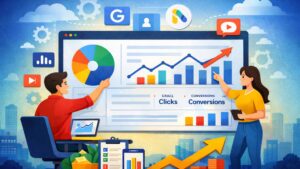
Campaigns provide immediate feedback — including user movement, dwell time, and interaction rates. This data enables on-the-fly adjustments and agile decision-making.
Seamless Campaign Automation
Through digital advertising automation, campaigns run continuously, adjusting targeting and budgets automatically based on performance metrics.
For performance-driven marketers, these advantages make geofencing one of the most effective tools for scalable brand growth.
At Genbe, we help clients harness these benefits through custom-built systems that integrate automation, analytics, and personalization in one cohesive platform.
Use Cases Across Industries
Geofencing’s versatility means it can be adapted to virtually any sector that values audience proximity and engagement.
1. Retail Marketing
Retailers use geofencing to promote in-store discounts, announce new arrivals, and drive foot traffic. Ads can be triggered as shoppers approach malls or competitor outlets, converting interest into visits.
2. Food and Beverage
Restaurants can target users nearby during key meal hours, offering limited-time deals or loyalty points. Proximity-based ads often lead to instant in-store action.
3. Events and Entertainment
For concerts, expos, or sports events, geofencing boosts awareness and real-time engagement. Marketers can send exclusive offers to attendees or retarget them afterward for future events.
4. SaaS and B2B Marketing
Tech companies use mobile geofencing campaigns to target professionals attending conferences or trade shows — ensuring their brand stays visible where decision-makers gather.
5. Enterprise Marketing
Large organizations combine geofencing with CRM systems to deliver personalized messages to customers across multiple branches or locations.
These real-world applications show why geofencing advertising is becoming essential across industries. It personalizes marketing at scale, reaching people not only based on who they are but where they are.
Genbe’s experience spans retail, hospitality, SaaS, and enterprise segments, providing tailored strategies that maximize precision and measurable ROI.
How GenBe Delivers Smart Geofencing
At Genbe, we redefine geofencing with intelligence and automation. Our proprietary approach blends advanced location analytics, predictive AI, and data automation to build campaigns that perform — continuously.
Here’s how our system drives smarter outcomes:
- AI-Driven Insights:
- Machine learning models analyze millions of location signals to identify optimal targeting zones, audience segments, and engagement patterns.
- Automated Optimization:
- Campaigns adapt in real time based on user movement, engagement rates, and budget efficiency — ensuring consistent performance.
- Cross-Platform Reach:
- We integrate geofencing campaigns across social, mobile, and display channels for unified coverage.
- Transparent Analytics:
- Clients receive detailed reports showing reach, impressions, dwell times, and conversions — giving complete clarity on ROI.
- Scalable Frameworks:
- Each campaign is designed to grow. Insights from one location power the next, allowing seamless expansion without added complexity.
By combining AI-driven marketing and digital advertising automation, Genbe helps businesses move beyond static advertising into a world of predictive, location-aware strategy.
Our focus is simple: deliver precision, performance, and scalability in every campaign.
Conclusion
In a world where audiences move fast and attention spans shrink, precision is the new scale. Geofencing Advertising offers that precision — connecting digital messages with real-world moments.
By leveraging location intelligence and automation, marketers can reach the right people exactly where decisions are made. It’s a shift from broad targeting to intelligent engagement — from impressions to impact.
At Genbe, we empower brands to embrace this transformation. Our geofencing ad campaigns help businesses grow smarter, scale faster, and market with purpose.
Reach the right audience, at the right place, with GenBe’s Geofencing Ads.
FAQ
What is geofencing advertising?
A location-based ad tactic that targets users’ mobile devices when they enter or exit a defined area (store, event, neighborhood).
2) How accurate is it?
Very—using GPS, Wi-Fi, and cellular data, targeting can narrow to tens of meters (environment and signal quality may vary).
3) Is it privacy-safe?
Yes—when run with consent and anonymized data, following GDPR/CCPA and platform policies.
4) What results can I expect?
Higher relevance, better CTR, more foot traffic—and stronger ROI when offers, timing, and locations are aligned.
5) How do I get started with Genbe?
Choose your locations and goals; Genbe sets up the geofences, creative, and tracking—then optimizes based on real-time results.