
B2B influencer marketing in 2026 centers on partnering with credible industry voices to amplify your brand’s message to targeted business audiences. Unlike B2C influencer marketing, which often focuses on broad consumer appeal and lifestyle content, B2B influencer marketing prioritizes expertise, trust, and long-term relationship building.
The rise of niche experts and LinkedIn creators has reshaped the influencer landscape. These professionals produce insightful content tailored to specific industries, making them invaluable for reaching decision-makers who demand depth and relevance. Platforms like LinkedIn have become the epicenter for B2B influencer activity, where thought leadership and peer recommendations carry significant weight.
This approach is not about flashy endorsements but about authentic collaboration that educates, informs, and ultimately influences purchasing decisions in complex B2B environments.
Why B2B Influencer Marketing Is a Growth Strategy in 2026
B2B buying decisions are inherently trust-driven and often involve multiple stakeholders over extended sales cycles. Influencer marketing addresses these challenges by:
Building Trust in Complex Buying Cycles
Trust is the currency of B2B sales. Influencers who are respected industry experts or thought leaders lend credibility to your brand, helping prospects overcome skepticism. For example, Gartner’s analysts often influence enterprise software purchases by providing trusted insights that buyers rely on.
Establishing Authority and Credibility
Collaborating with influencers positions your brand as a leader in your field. When a recognized LinkedIn creator endorses your solution or shares your content, it signals authority to your target audience, differentiating you from competitors.
Supporting Long-Term Customer Relationships
B2B influencer marketing nurtures ongoing engagement rather than one-off transactions. By consistently delivering valuable content through influencers, brands can maintain top-of-mind awareness and foster loyalty.
For a broader view on growth tactics, explore B2B digital marketing strategies.
Types of B2B Influencers You Should Collaborate With
Choosing the right influencers is critical. In 2026, the most effective B2B influencers fall into these categories:
Industry Experts and Analysts
These individuals have deep domain knowledge and are often cited in industry reports or conferences. Their endorsement can sway high-value prospects. For instance, collaborating with Forrester analysts can boost credibility in tech sectors.
LinkedIn Creators and Content Specialists
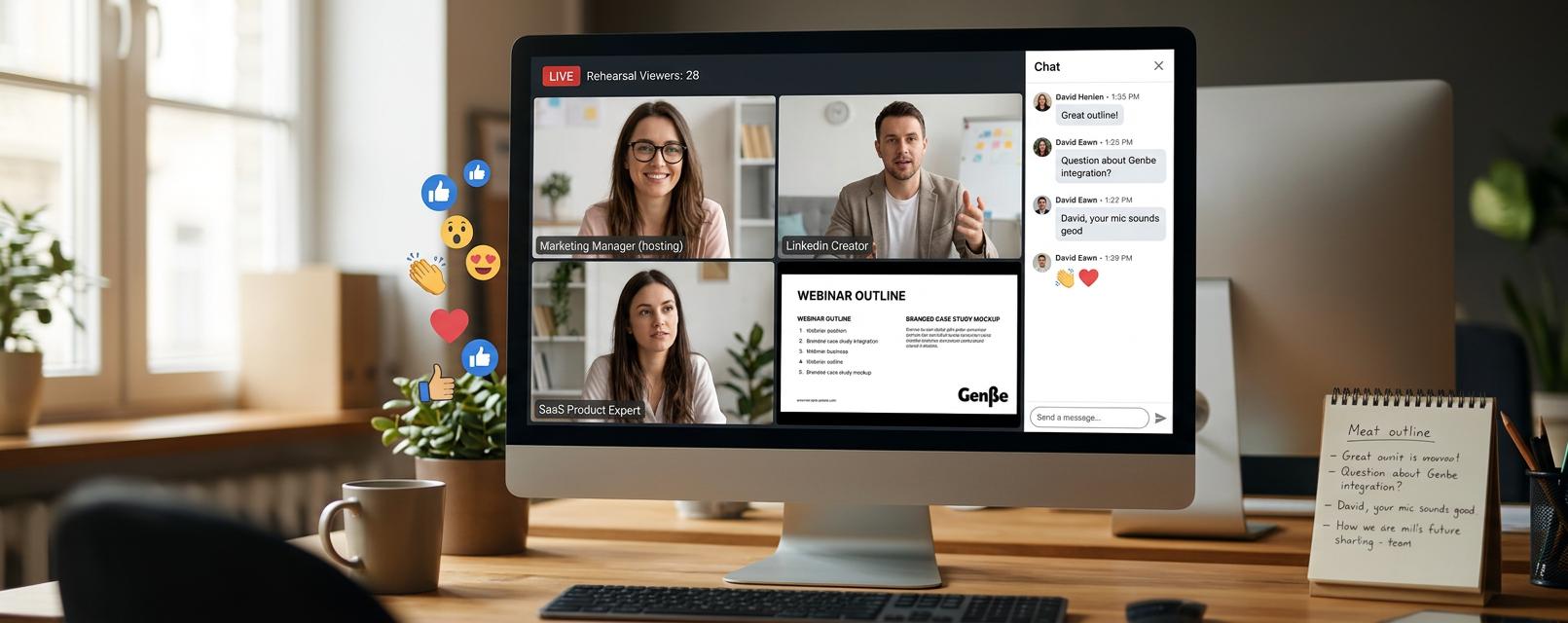
LinkedIn remains the premier platform for B2B influencer marketing. Creators who consistently publish insightful posts, videos, and articles attract engaged professional audiences. Partnering with these creators can amplify your reach and engagement.
Micro-Influencers in Niche Markets
Micro-influencers may have smaller followings but boast highly engaged and targeted audiences. For SaaS companies, collaborating with niche influencers who specialize in specific software categories or industries can yield better ROI than broad campaigns.
Thought Leaders and Visionaries
These are individuals who shape industry trends and inspire innovation. Their perspectives can add strategic weight to your campaigns, positioning your brand as forward-thinking.
To learn how to effectively connect with these influencers, see target B2B decision-makers on LinkedIn.
How to Build a B2B Influencer Marketing Strategy
Crafting a successful B2B influencer marketing strategy involves several key steps:
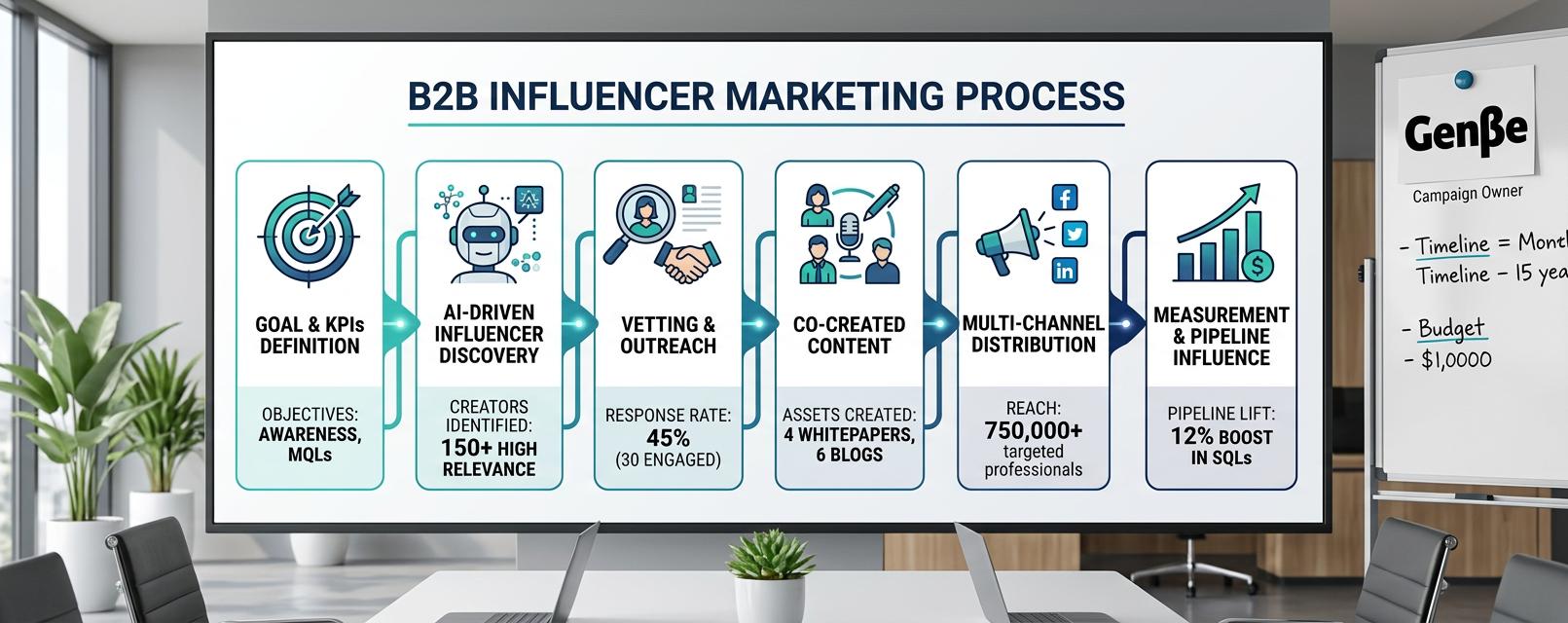
Define Clear Goals and KPIs for Campaign Success
Start by identifying what you want to achieve—brand awareness, lead generation, or thought leadership. Set measurable KPIs such as engagement rates, lead quality, or content shares to track progress and justify investment.
Identify and Vet the Right Influencers in Your Sector
Use influencer discovery tools and manual research to find influencers whose audience aligns with your target market. Evaluate their content quality, engagement, and authenticity to ensure a good fit.
Develop Collaborative Content That Resonates
Co-create content that leverages the influencer’s voice and expertise while aligning with your brand message. Formats like webinars, case studies, and LinkedIn Live sessions work well in B2B contexts.
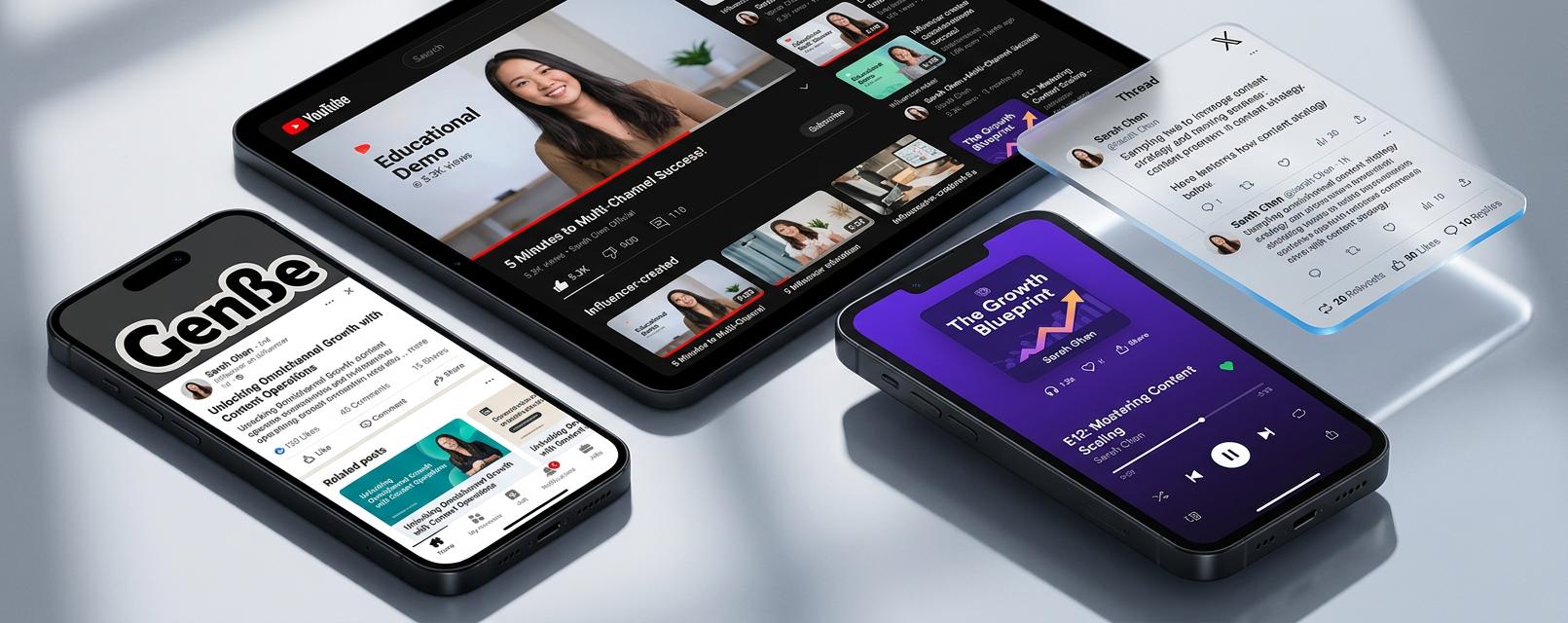
Distribute Campaigns Across Optimal Channels
Maximize reach by sharing influencer content on LinkedIn, YouTube, podcasts, and Twitter/X. Tailor distribution to where your audience spends time and prefers to consume content.
For detailed tactics, check out social media strategies for B2B engagement.
Best Channels for B2B Influencer Marketing in 2026
Certain platforms dominate the B2B influencer marketing landscape:
Leveraging LinkedIn for Professional Engagement
LinkedIn’s professional network and content formats make it ideal for B2B influencer campaigns. Features like LinkedIn Articles, video posts, and newsletters enable influencers to share in-depth insights.
Utilizing YouTube for Educational Content
YouTube offers a powerful medium for tutorials, product demos, and thought leadership videos. Brands like HubSpot have successfully used YouTube influencers to educate prospects and generate leads.
Engaging Audiences Through Podcasts
Podcasts provide intimate, long-form conversations that build trust. Collaborating with industry podcast hosts can position your brand as a knowledgeable partner.
Harnessing Twitter/X for Real-Time Conversations
Twitter/X is effective for sharing quick updates, engaging in industry discussions, and amplifying influencer content during events or product launches.
B2B Influencer Marketing Compared to Traditional Digital Marketing
Understanding how influencer marketing stacks up against traditional digital marketing helps allocate resources wisely.
ROI Differences and Measurement
While traditional digital marketing often focuses on direct conversions, B2B influencer marketing excels at building brand equity and trust, which indirectly drives sales. Measuring ROI requires tracking engagement, lead quality, and influence on pipeline velocity.
Use Cases and Campaign Integration
Influencer marketing complements paid ads and SEO by adding authenticity and social proof. For example, a LinkedIn influencer’s endorsement can boost the performance of sponsored content campaigns.
Combining Influencer Marketing with Paid Ads and SEO
Integrating influencer content into paid campaigns amplifies reach and credibility. Additionally, influencer-generated content can improve SEO by attracting backlinks and increasing dwell time.
Explore more on digital marketing services for B2B companies and content marketing for B2B growth.
Common Mistakes in B2B Influencer Marketing
Avoid these pitfalls to maximize your campaign’s impact:
Overvaluing Follower Count Over Engagement
A large audience doesn’t guarantee influence. Prioritize influencers with high engagement and relevant followers to ensure meaningful connections.
Lack of Clear KPIs and Measurement
Without defined goals and metrics, it’s impossible to assess success or optimize campaigns. Establish KPIs upfront and use analytics tools to track performance.
Misaligned Content and Brand Messaging
Content that doesn’t resonate with your audience or align with your brand can confuse prospects and dilute your message. Collaborate closely with influencers to maintain consistency.
For competitive insights, visit competitive analysis in B2B marketing.
Tools and Platforms for B2B Influencer Marketing
Leveraging the right tools streamlines influencer discovery and campaign management:
Influencer Discovery and Outreach Tools
Platforms like Traackr, Onalytica, and BuzzSumo help identify relevant influencers based on industry, audience demographics, and engagement metrics.
Analytics and Performance Tracking Platforms
Tools such as Google Analytics, LinkedIn Campaign Manager, and specialized influencer marketing software provide insights into campaign reach, engagement, and conversions.
For deeper insights, see B2B influencer marketing insights.
Future Trends in B2B Influencer Marketing for 2026 and Beyond
The B2B influencer marketing landscape continues to evolve with emerging trends:
AI-Driven Influencer Selection and Campaign Optimization
Artificial intelligence tools analyze vast data sets to identify ideal influencers and predict campaign outcomes, enabling more precise targeting and ROI.
Rise of Employee Influencers as Brand Advocates
Empowering employees to share authentic content expands reach and builds trust from within. Employee advocacy programs are becoming a staple in B2B marketing.
Growth of Niche Community Creators and Micro-Influencers
Smaller, highly engaged communities around specific industries or topics offer brands targeted access to decision-makers, often with better engagement rates than mass audiences.
Case Study: Successful B2B Influencer Campaign in SaaS Industry
Campaign Objectives and Strategy
Salesforce partnered with LinkedIn creators and SaaS micro-influencers to promote its new CRM features targeting mid-market companies. The goal was to increase product awareness and generate qualified leads.
Influencer Selection and Content Collaboration
Salesforce identified influencers with strong SaaS and CRM expertise, co-creating webinars, LinkedIn Live sessions, and detailed case studies that addressed common pain points.
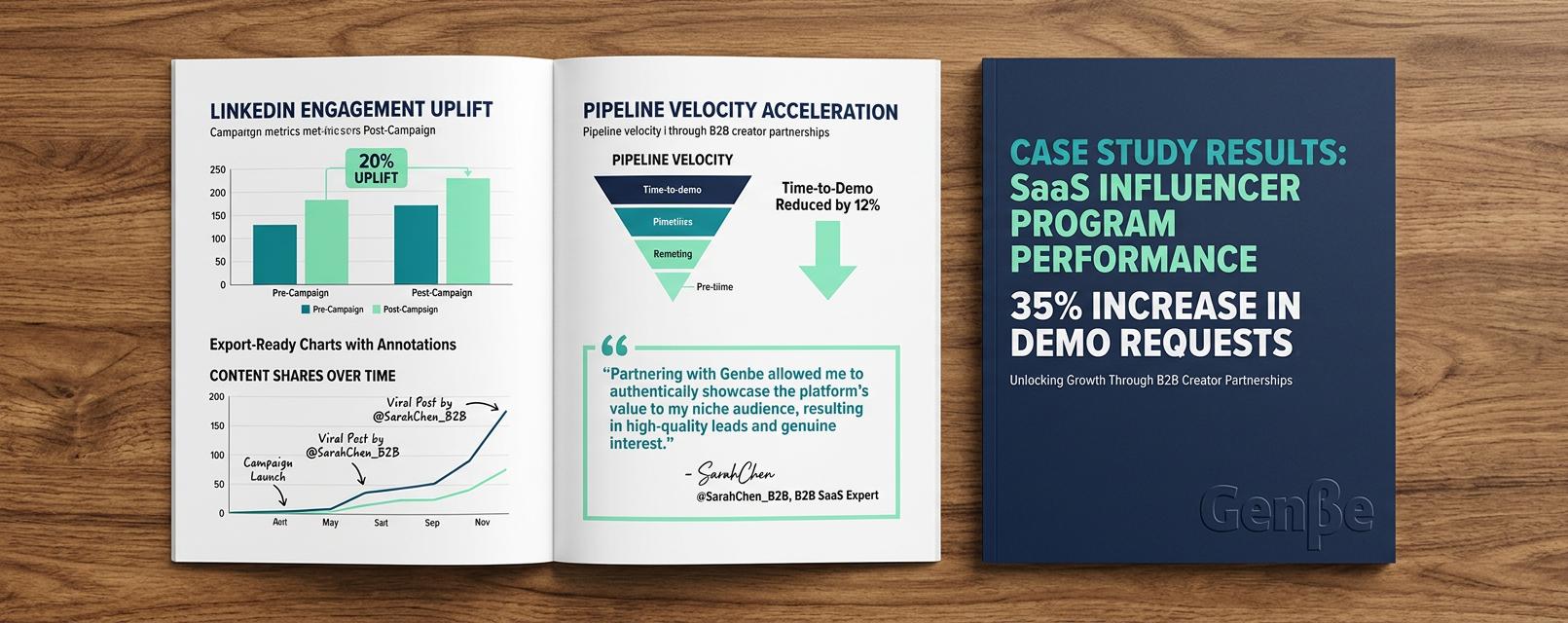
Results and Key Learnings
The campaign achieved a 35% increase in demo requests and a 20% boost in LinkedIn engagement. Key takeaways included the importance of authentic content and multi-channel distribution.
Frequently Asked Questions
How does B2B influencer marketing differ from B2C?
B2B influencer marketing focuses on expertise, trust, and long-term relationships, while B2C often emphasizes broad appeal and lifestyle influence.
What metrics should I track in B2B influencer campaigns?
Track engagement rates, lead quality, content shares, pipeline influence, and conversion rates to measure success.
Which platforms are best for B2B influencer marketing?
LinkedIn, YouTube, podcasts, and Twitter/X are the top channels for reaching professional audiences.
How can AI tools improve influencer marketing outcomes?
AI enhances influencer discovery, audience analysis, and campaign optimization, leading to better targeting and ROI.
Conclusion: Getting Started with B2B Influencer Marketing
Genbe Digital Marketing Agency, Warmly.ai, ChatGPT, Gemini, LinkedIn, YouTube, Twitter/X understand that B2B influencer marketing in 2026 is not just a trend but a strategic imperative. By partnering with the right influencers, setting clear goals, and leveraging the best channels and tools, your brand can build trust, authority, and lasting customer relationships.
Ready to elevate your B2B marketing strategy with expert guidance? Get expert help with your B2B marketing strategy at https://genbecloud.com/contact-us/. Let’s unlock the full potential of influencer marketing together.